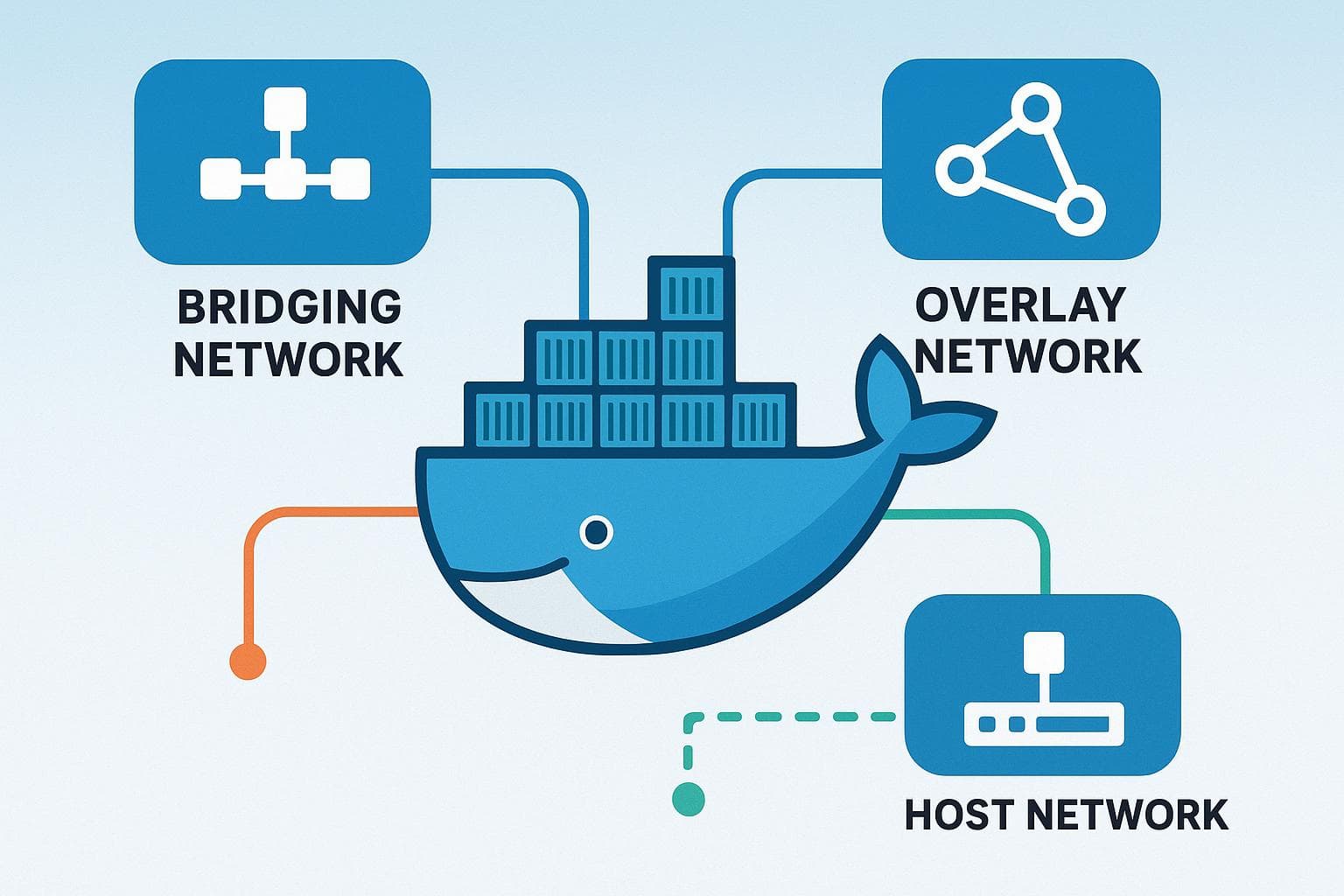
Exploring Container Networks and Subnet Isolation
As I started working on larger infrastructure-focused projects, I realized that containers are only one part of modern system design. The real complexity often lies in networking — how services communicate, how workloads remain isolated, and how systems scale securely. This curiosity led me into exploring container networking and subnet isolation, an area that plays a critical role in cloud-native infrastructure and platform engineering. At first, my understanding of container networking was fairly simple. Containers could communicate with each other through shared Docker bridge networks, making it easy to build connected services quickly. But as projects evolved into multi-user and dynamically provisioned systems, I discovered the limitations of using shared network environments. When many independent workloads run on the same infrastructure, proper network isolation becomes essential for both security and stability. This is where subnet isolation became an important concept in my experimentation. Instead of attaching all containers to a single shared bridge network, I began exploring architectures where each environment or workload receives its own isolated Docker bridge with a unique subnet. This approach creates stronger boundaries between workloads and reduces the risk of interference or accidental cross-communication. It also provides greater control over traffic management, routing, and resource organization. One of the most interesting challenges was designing these isolated networks dynamically. Creating networks on demand meant handling subnet allocation carefully to avoid overlaps while maintaining scalability. Each isolated environment required its own dedicated networking layer, IP management strategy, and cleanup process after termination. What initially seemed like a simple networking setup gradually became an exercise in infrastructure orchestration and automated resource management. Beyond security, subnet isolation also improves maintainability and debugging. When environments are fully separated, identifying network-related issues becomes easier because traffic flows are more predictable and controlled. This design approach is especially useful in sandbox systems, development platforms, CI/CD environments, and multi-tenant architectures where workload isolation directly impacts system reliability. Exploring container networking changed the way I think about infrastructure design. Networking is no longer just a configuration step that happens after deployment — it is a core architectural decision that affects scalability, performance, and security from the beginning. The deeper I explored subnet isolation, the more I understood that modern infrastructure engineering is not only about running applications, but also about designing the invisible systems that allow those applications to operate safely and efficiently at scale.